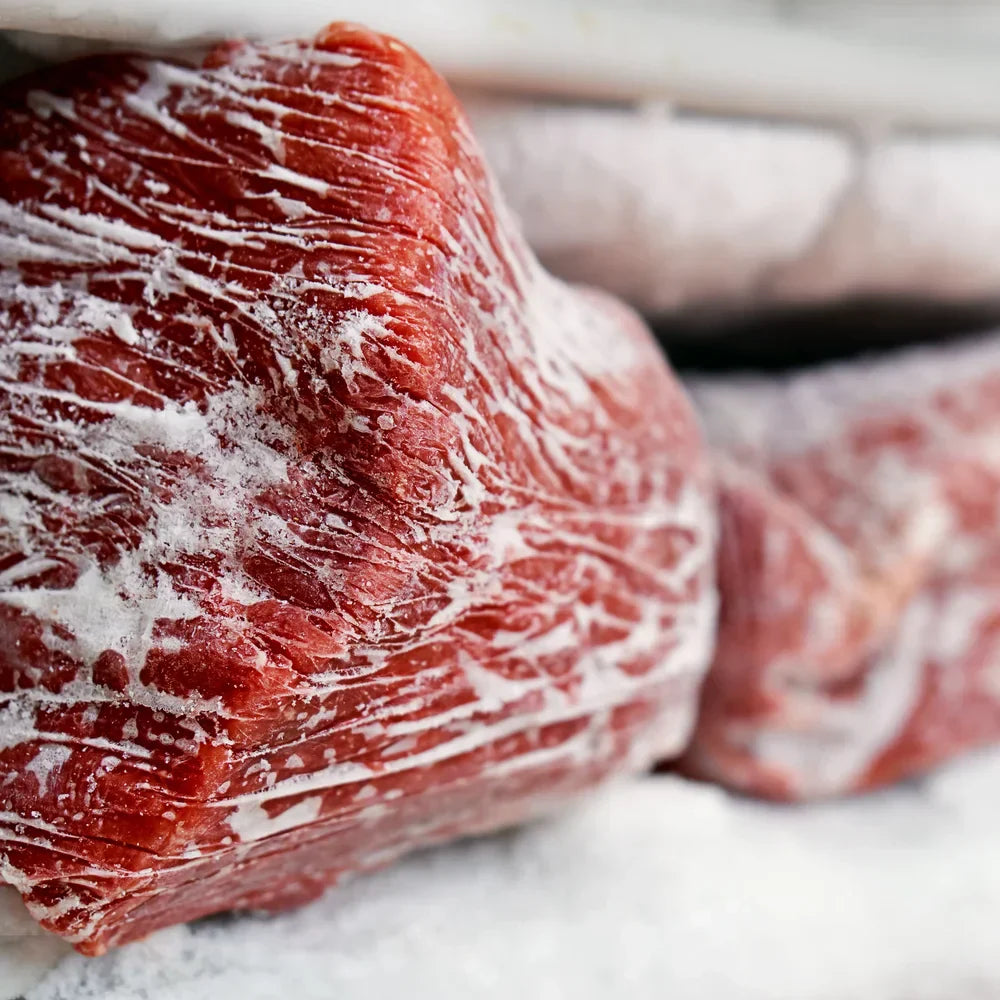
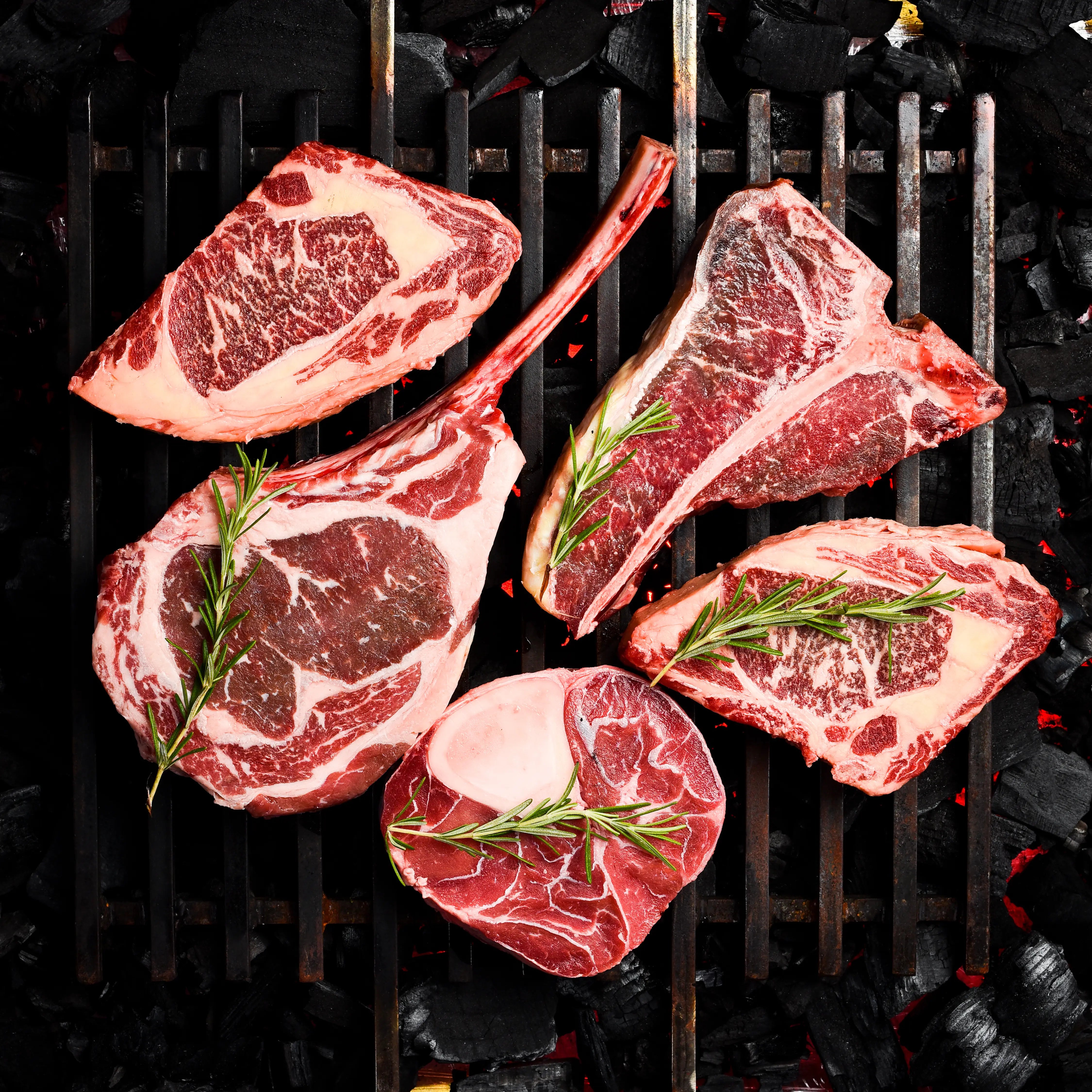
We've all been there: Dinner is almost ready, the guests are nearly there – and the steaks are still frozen solid in the freezer. The first impulse? Put them on the counter, briefly run them under warm water, or quickly throw them in the microwave.
But these "emergency solutions" not only ruin high-quality cuts of meat – they can also pose a real hygiene risk.
The good news: You don't necessarily have to thaw your steak. In fact, cooking it directly from frozen can even result in a more even and juicier steak. And if you do need to thaw it, there are safe methods that preserve quality and flavor.
Here you'll learn how to do it right – and which mistakes you should definitely avoid.
The “danger zone”: Why thawing at room temperature is risky
One of the biggest kitchen myths is defrosting food on the countertop. Food hygiene experts warn against the so-called " danger zone ," which lies between 5°C and 60°C. In this temperature range, bacteria such as E. coli, Salmonella, or Listeria can multiply rapidly – in some cases, their number doubles every 15 to 20 minutes.
When a steak thaws at room temperature, the outside warms up quickly and enters this danger zone, while the inside remains frozen. This uneven heating creates ideal conditions for germs – long before the meat even hits the pan.
In short: Defrosting on the kitchen counter is an unnecessary risk.
How do I defrost steaks properly?
Method 1: Reverse Sear without thawing – the gold standard
If you want to prepare a steak with a perfectly pink center and no thick gray edges, you can skip the thawing step entirely. This method yields particularly even results, especially with thicker cuts of about 4 cm or more – for example, ribeye or filet mignon. To do this, preheat the oven to about 135°C and place the frozen steak on a wire rack set on a baking sheet. This allows air to circulate around the meat, ensuring it heats up slowly and evenly.
Next, cook the steak in the oven until it reaches an internal temperature of approximately 43°C (109°F). Depending on the thickness, this step takes about 30 to 60 minutes. Then comes the searing: Heat a cast-iron skillet until it's smoking, add a tablespoon of high-heat oil, and sear the steak for about 60 to 70 seconds per side until a crisp crust forms. After searing, let the meat rest for at least five minutes to allow the juices to redistribute and ensure the steak remains exceptionally succulent.
The advantage of this method is that the outside cooks more slowly because it starts frozen. This prevents it from overheating before the inside reaches the desired temperature. The result is an evenly cooked steak with intense roasted flavor. Many grilling professionals appreciate this method because it significantly reduces the formation of a wide, gray ring and allows the Maillard reaction to occur more controlled.
Method 2: Defrosting in the refrigerator – the best choice for quality and safety
If sufficient time is available – ideally 24 to 48 hours – thawing in the refrigerator is considered the safest and gentlest method.
Leave the steak in its original, vacuum-sealed packaging and place it on the bottom shelf of the refrigerator. This is the coldest area, ideally between 0 and 2 °C – optimal conditions to prevent bacterial growth. This placement also has a practical advantage: if raw meat is at the bottom of the refrigerator, any juices that may leak out won't contaminate other foods.
Slow thawing at low temperatures preserves the structure of the muscle fibers, minimizes moisture loss, and keeps the steak tender and juicy. Professional chefs also recommend briefly patting the steak dry before searing, as a dry surface significantly improves the formation of a flavorful crust.
An added advantage: Beef that has been gently thawed in the refrigerator (except for ground beef) can be hygienically stored there for another two to four days. If necessary, it can even be refrozen, as long as a consistently low refrigerator temperature is maintained and as little time as possible passes between thawing and refreezing. This keeps the risk of bacterial growth low.
However, it is important to note: If the meat has been thawed at room temperature, it should not be refrozen for food safety reasons.
Method 3: The cold water bath – the quick, safe solution
If you need to defrost your steak faster, thawing in a cold water bath is a good alternative to refrigeration. This method significantly reduces the defrosting time but requires some attention. The steak must be in a completely sealed, vacuum-sealed bag to prevent any water from coming into direct contact with the meat.
Place the bag in a bowl of cold tap water and change the water every 20 to 30 minutes to keep the temperature consistently low. A steak weighing approximately 500g will usually thaw within an hour this way and should then be cooked immediately.
The advantage of this method is that the temperature remains below the so-called danger zone, where bacteria multiply particularly quickly. Unlike thawing at room temperature, this keeps the meat hygienically safe while preserving its structure and juiciness.
Three common mistakes you should avoid
1. The microwave trap
Microwaves heat unevenly. Ice absorbs microwave energy poorly, causing some areas to cook while others remain frozen. The result: tough, discolored meat with a damaged structure.
2. Use non-stick pans for frying.
Achieving a perfect steak crust requires very high temperatures – often exceeding 260°C. Non-stick pans are not designed for this and can release harmful fumes when overheated. Use cast iron or stainless steel instead.
The intense browning is caused by the so-called Maillard reaction – a chemical reaction that is responsible for the aromatic crust, but only takes place at high temperatures.
3. Wash the meat
Rinsing raw meat might seem hygienic, but it only spreads germs in the sink and on work surfaces. Heat – not water – reliably kills bacteria.
The Wagyu exception
If you are lucky enough to be preparing Japanese Wagyu beef, slightly modified rules apply.
Wagyu beef has a particularly low melting point and can soften even at room temperature. Therefore, experts recommend cooking Wagyu at around 2°C. This preserves the fine marbling and ensures perfect cooking results.
Quick checklist
- Always use a core temperature thermometer.
- Pat the steak dry before searing so that a crust forms instead of steam.
- Let the steak rest for at least 5 minutes after cooking.
- Avoid defrosting at room temperature and in the microwave.
- If possible: Use the reverse sear method directly from frozen.
Conclusion
You'll never have to settle for a tough steak with a gray edge again. By avoiding room temperature defrosting and instead using reverse sear, refrigerator defrosting, or a cold water bath, you protect both flavor and food safety.
A high-quality steak deserves proper treatment from the freezer to the plate. And the difference is noticeable with every bite.